Settings can be shared, vision cannot
Technical advice can help everyone reach a better image. A certain exposure compensation can help create a high-key frame. A cleaner background can make the subject stand out. A better vehicle position can improve the light and angle for everyone.
But settings are only the beginning. The real identity of a photograph does not come only from the camera. It comes from intention.
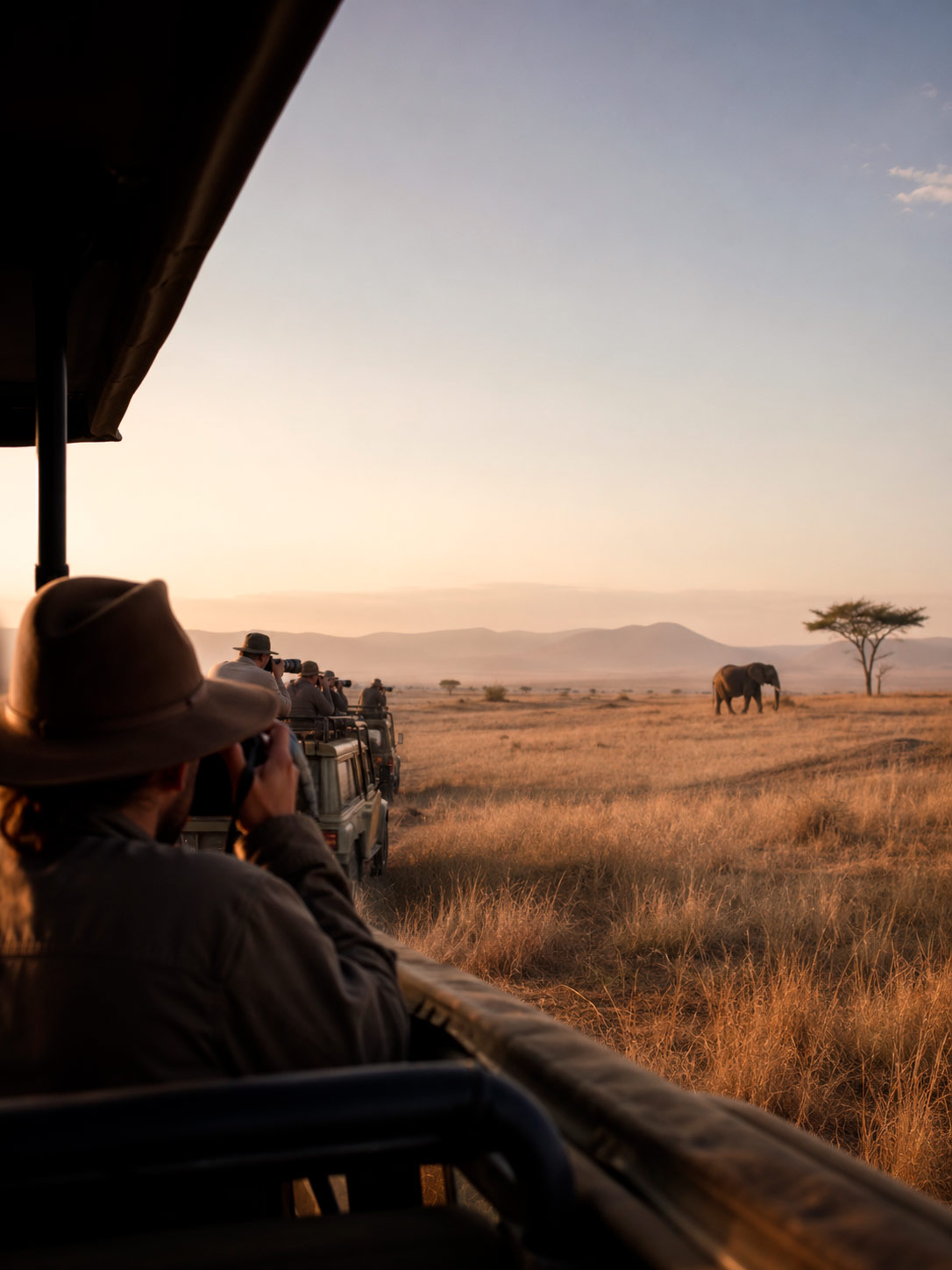
Two photographers can stand beside each other with the same settings and still create very different images if they are looking for different things.
A camera setting can be copied. A position can be shared. A subject can be photographed by many people standing in the same place.
One looks for sharpness, another for mood. One wants a portrait, another wants silence, space, mystery, or emotion. A way of seeing takes years to build.
Helping technically, protecting conceptually
I believe there is a difference between helping someone technically and giving away your complete creative direction.
Guidance you can give freely
It is one thing to say: “Try a faster shutter speed.” “Expose a little brighter.” “Watch the background.” “Move lower.” “Wait for the head turn.” This is field guidance, and sharing it costs you nothing.
Authorship you can keep private
But it is another thing to explain the full idea forming in your mind: “I am building this for a quiet monochrome series.” “I want this frame to belong to a print collection.” “I am waiting for the subject to move into the empty space.” “I am trying to create a minimal frame with 80 percent negative space.” “I see this as part of a book sequence.”
The first is guidance. The second is authorship. And authorship deserves protection.
This does not mean becoming selfish in the field. It does not mean stopping yourself from helping friends. Photography has always been better when shared with generous people. But there should be a private space inside every photographer, a space where the deeper creative decisions remain personal. That is where the edge lives.
The obvious frame and the personal frame
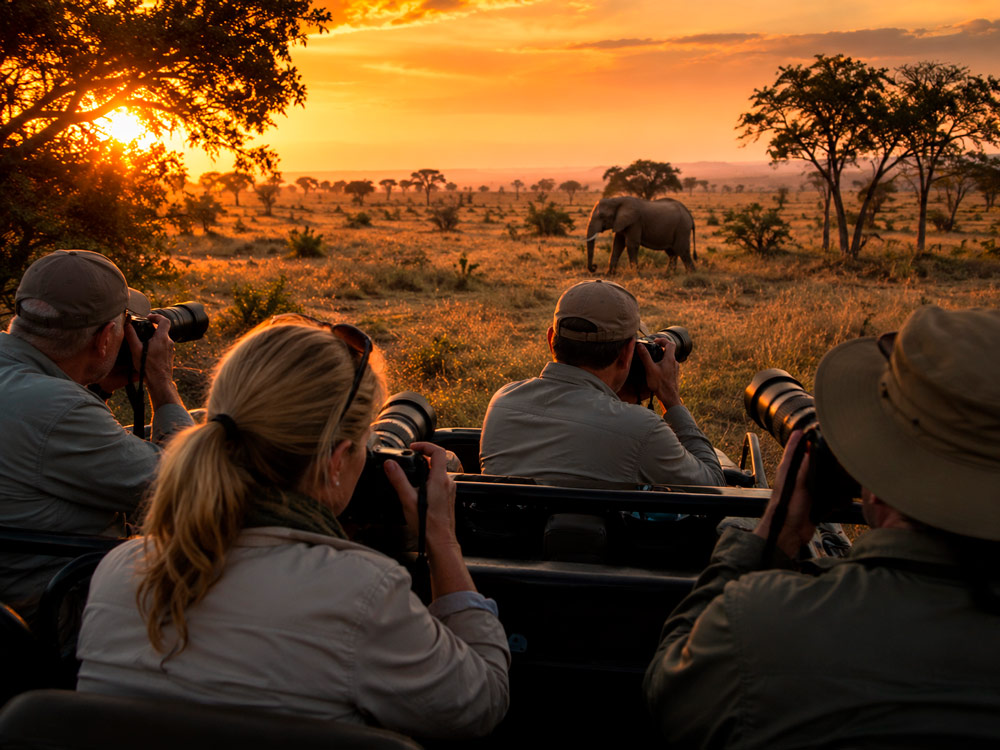
In almost every wildlife encounter, there is an obvious frame. The clean portrait. The strong action. The perfect eye contact. The dramatic light.
Everyone will see it. Everyone will shoot it. And there is nothing wrong with that. Those frames are part of the experience. But after making the obvious frame, I think the real work begins.
Can I go wider? Can I include more space? Can I use the foreground? Can I wait for a smaller gesture? Can I turn this into a silhouette? Can I simplify the scene? Can I make the subject feel alone, quiet, powerful, or fragile? Can I create an image that belongs to a larger body of work?
A sighting gives you an image. A collection gives you a voice
Building a body of work
For prints, books, and competitions, a single strong image is important. But a consistent body of work is even more powerful.
A body of work has rhythm. It has restraint. It has mood. It has a visual language that repeats without becoming repetitive. This is why personal projects matter so much.
When I think about collections such as high key, low key, minimal desert life, black and white wildlife, negative space, or quiet environmental portraits, I am no longer thinking only about one frame. I am thinking about how each image speaks to the others.
These questions create a stronger filter than sharpness alone. Many photographers can make a technically excellent wildlife image. Fewer photographers can build a visual world.
The edge is not access
It is easy to believe the edge comes from better access, better locations, better guides, better vehicles, or better gear. Of course, all of these things can help. But when everyone has the same access, the difference becomes clearer.
The edge is patience. The edge is restraint. The edge is taste. The edge is knowing what to leave out. The edge is knowing when not to press the shutter. The edge is editing with consistency. The edge is choosing the image that feels honest to you, not only the one that will impress quickly.
In the field, many photographers are trying to add more. More subject. More drama. More action. More closeness. More perfection.
But sometimes the personal image comes from removing. Removing distractions. Removing unnecessary colour. Removing visual noise. Removing the need to show everything. A quieter photograph can sometimes speak longer.
A private mission for every trip
One thing I want to practice more is giving myself a private mission before each trip. Not just: “I want good images.” That is too general.
A stronger mission could be:
- “I want twelve quiet images for a monochrome collection.”
- “I want to focus on small subjects in large landscapes.”
- “I want to create frames that feel like silence.”
- “I want to build images for book spreads, not only social media.”
- “I want to avoid the obvious crop whenever possible.”
- “I want to make photographs that feel more like memory than documentation.”
This kind of private mission changes the way we see in the field. It helps us separate the shared experience from the personal result.
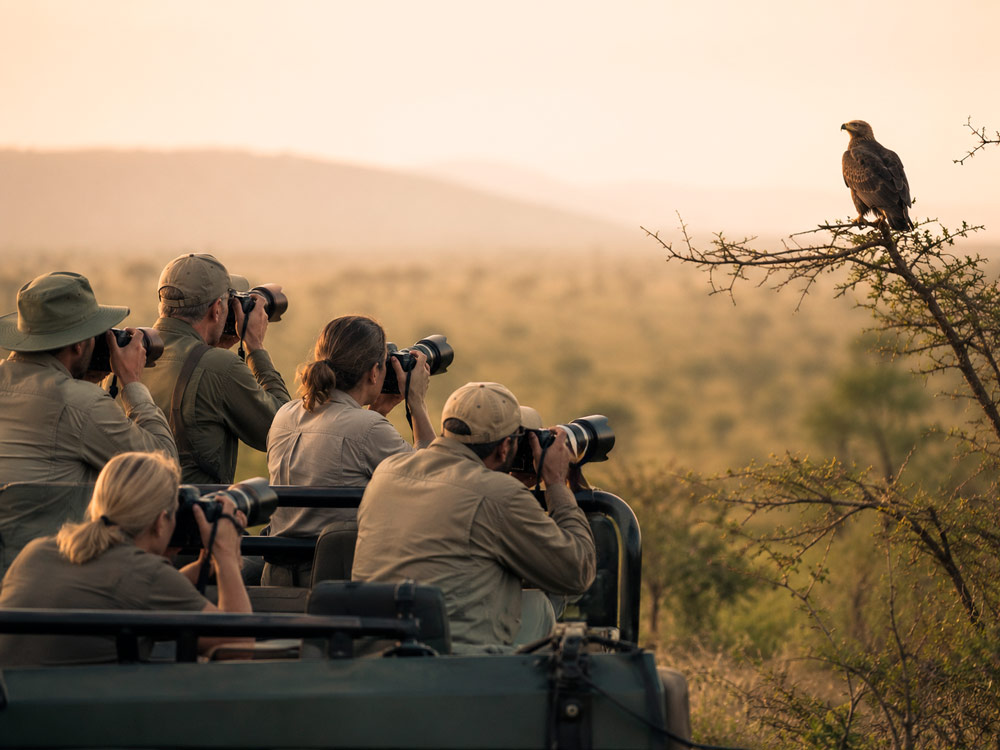
The group may photograph the same subject, but your reason for photographing it becomes different. And when the reason is different, the image often becomes different too.