What shooting through means
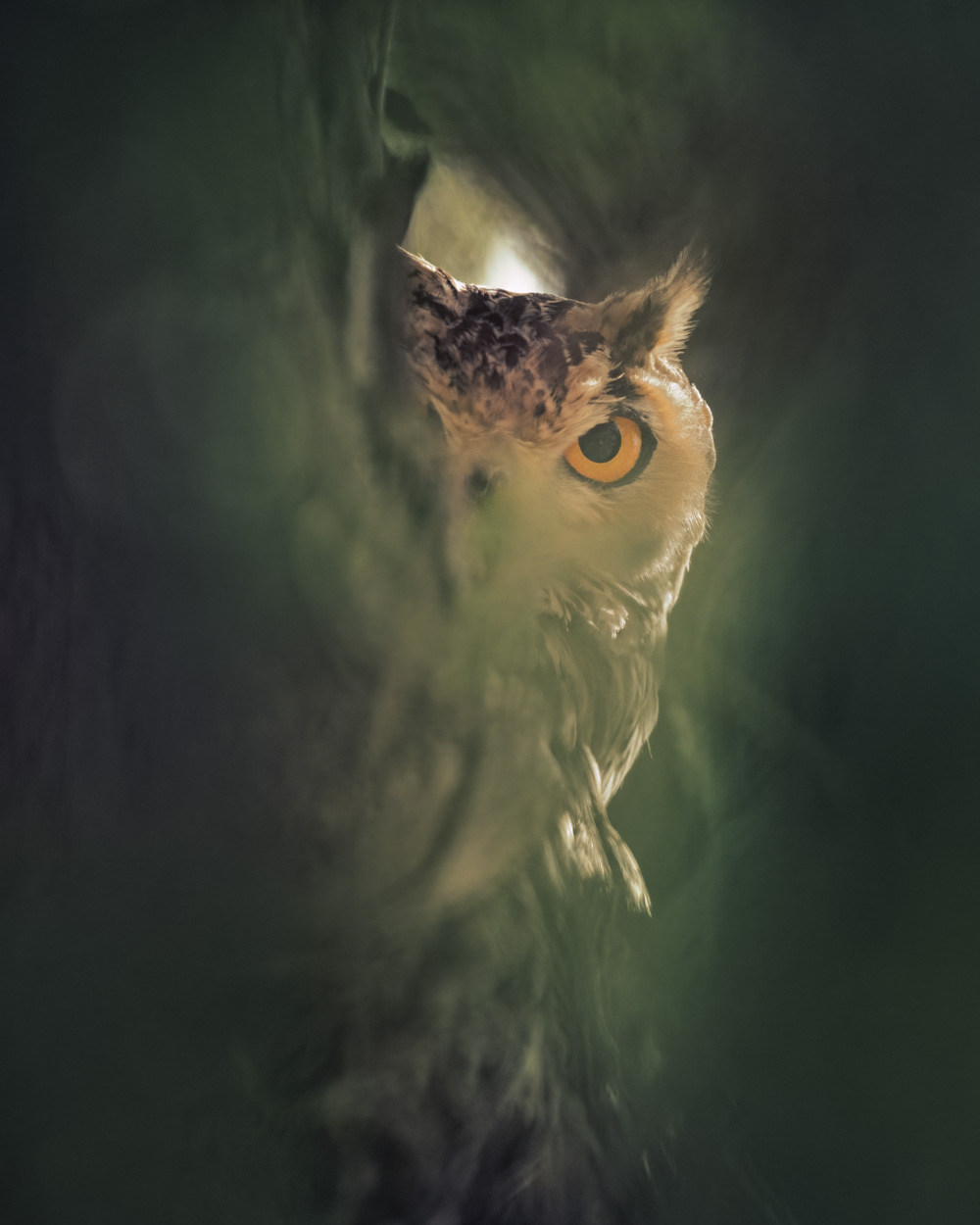
Shooting through means placing something between your lens and the subject, then using it as a soft foreground layer. This could be grass, leaves, flowers, branches, reeds, dust, rain, or even reflections.
When used carefully, the foreground becomes a veil. It adds depth, softness, intimacy, and a sense of looking into the subject’s world rather than simply observing from outside it.
The foreground should support the subject, not compete with it
Creating depth and mystery
Wildlife photographs can sometimes feel flat when everything is clear and equally visible. A soft foreground adds layers. It separates the subject from the viewer and creates atmosphere around the frame.
Depth through layers
A blurred foreground, sharp subject, and soft background can make a two-dimensional photograph feel more spatial and immersive.
Mystery through partial concealment
Not everything needs to be shown. A subject partly hidden behind grass or leaves can feel more natural, more intimate, and sometimes more emotional.
Choosing the right foreground
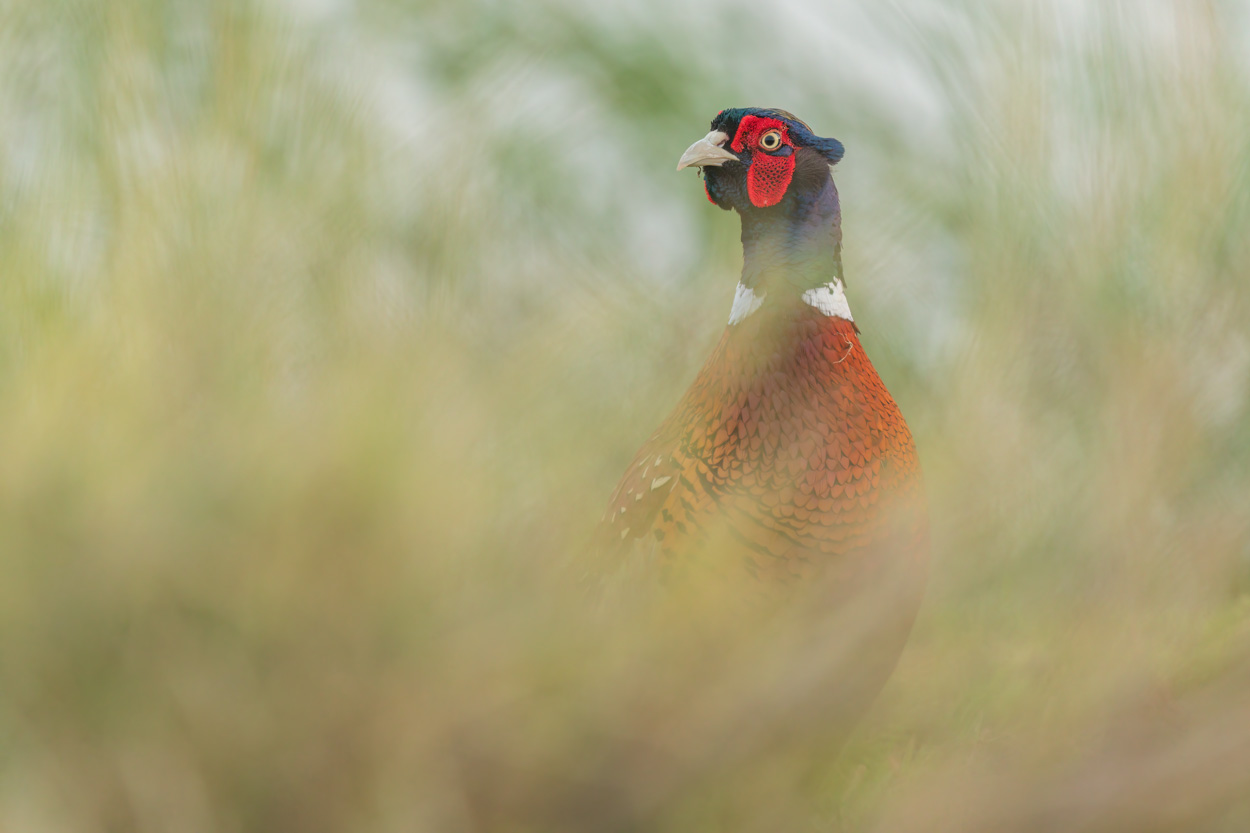
The best foregrounds are simple, soft, and close to the lens. The closer they are, the more they blur. This blur can create a painterly wash of colour, light, and texture.
Grass and reeds
Grass and reeds work beautifully with birds, mammals, and low-angle images. They can create a natural frame and make the viewer feel closer to the subject’s habitat.
Leaves and branches
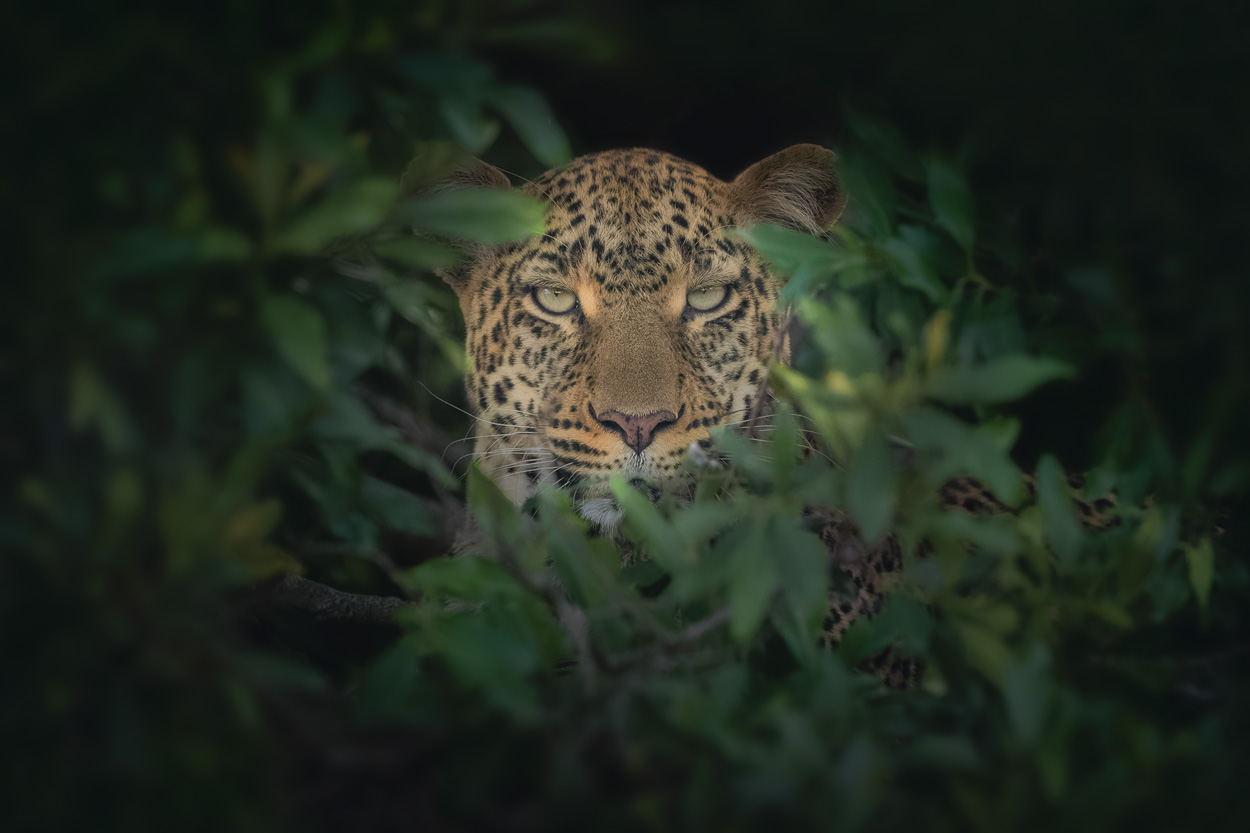
Leaves can add colour and depth, but they must be controlled. Avoid strong dark shapes across the eye or face of the subject.
Flowers and colour
Flowers can create soft colour washes in the foreground. Use them carefully so the image remains elegant and not overly busy.
Field technique
Shooting through is a subtle technique. Small changes in position can completely change the result. Move slowly and watch how the foreground blur changes as you shift your camera.
Use a low angle
A low angle often helps place grass, flowers, or habitat between the camera and subject. It also gives the image a more intimate perspective.
Use a wide aperture
A wider aperture helps blur the foreground. This can turn distracting details into soft colour and atmosphere.
Keep the subject clear
The eye, head, or main gesture of the subject should remain readable. If the foreground hides too much, the technique becomes a distraction.
Common mistakes
The most common mistake is using too much foreground. The subject becomes hidden, the frame becomes messy, and the viewer does not know where to look.
Foreground across the eye
Be careful with strong lines crossing the eye or face. A soft veil can be beautiful, but a hard branch cutting through the subject can weaken the image.
Too much colour
Foreground colour should support the mood. Bright colour can easily overpower the animal if it becomes the loudest part of the frame.
No clear subject
Mystery is useful, but the image still needs structure. The viewer should understand what the subject is and why the foreground is there.
If the foreground becomes more interesting than the subject, reduce it
A simple shooting-through workflow
Use this technique slowly and intentionally. It is not about hiding the subject; it is about creating a more atmospheric way of seeing.
FAQ shooting through in wildlife photography
What does shooting through mean in photography?
It means photographing through foreground elements such as grass, leaves, branches, flowers, or reflections to create depth and atmosphere.
Why use foreground blur in wildlife photography?
Foreground blur adds depth, softness, intimacy, and mystery. It can make the viewer feel closer to the subject’s natural environment.
What aperture works best?
A wider aperture often works best because it softens the foreground and helps the subject stand out.
Can shooting through make the image too busy?
Yes. If the foreground covers important details or becomes stronger than the subject, it becomes distracting.
What should remain sharp?
The subject’s eye, face, gesture, or main shape should usually remain clear enough to guide the viewer.