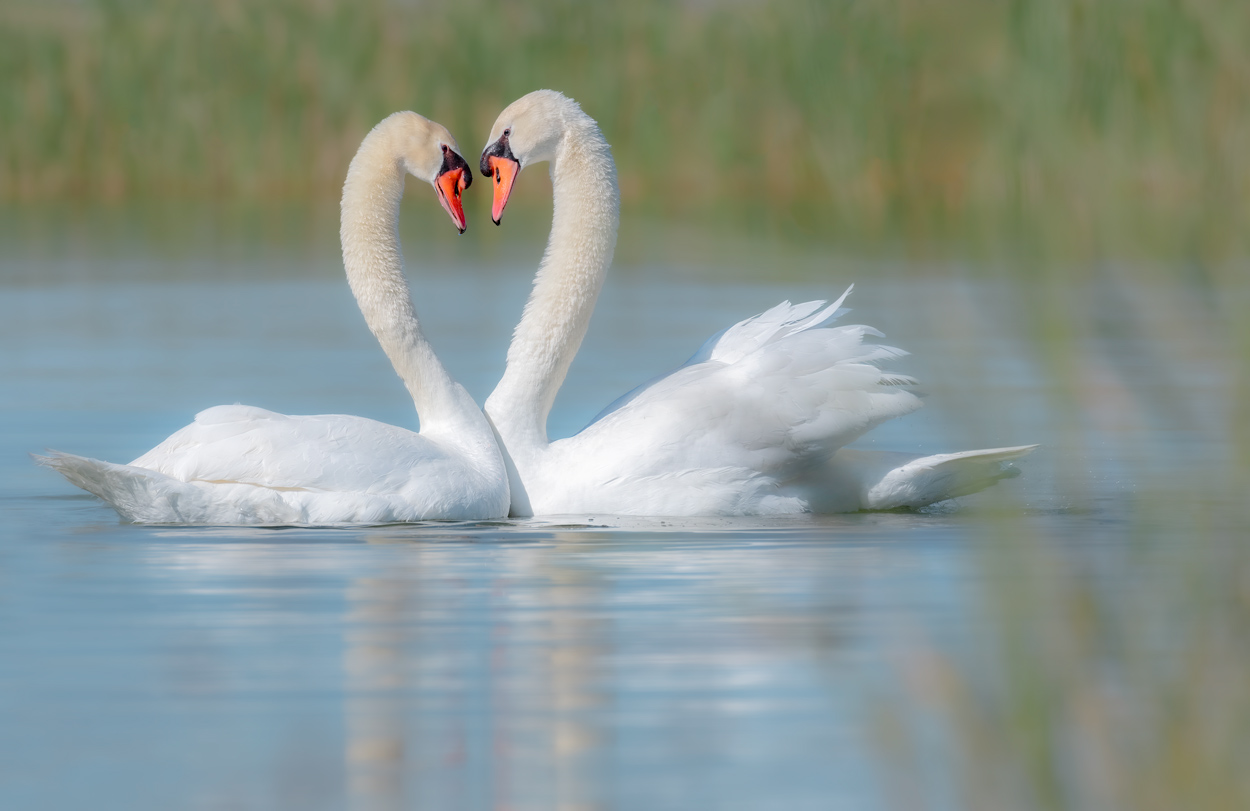
Why behaviour matters more than luck
Wildlife photography can look like luck from the outside. A bird takes off at the perfect moment. A fox turns its head into the light. A heron strikes the water. But many of these moments can be anticipated when the photographer understands behaviour.
Reading behaviour means observing small clues before the action happens. It is the difference between reacting late and being ready when the moment arrives.
The decisive moment in wildlife photography is often visible before it happens
You wait for the action to start, then try to focus, frame, expose, and shoot all at once.
You read the clues, prepare the frame, and wait for the subject to move into the moment.
Watch body language
Animals communicate through posture, direction, tension, stillness, eye movement, ear position, wing position, and repeated actions. These small signs can tell you what may happen next.
Birds
A bird may lean forward before taking off. It may lower its body, adjust its feet, raise its wings slightly, or turn into the wind. A hunting bird may become very still just before striking.
Mammals
Mammals often show intention through ears, tail, shoulders, and gaze. A deer looking sharply in one direction may be alert. A predator lowering its body may be preparing to move. A relaxed animal may allow a slower, more careful approach.
Stillness can be a signal
Not every sign is movement. Sometimes sudden stillness means the animal has noticed something, is preparing to react, or is listening carefully.
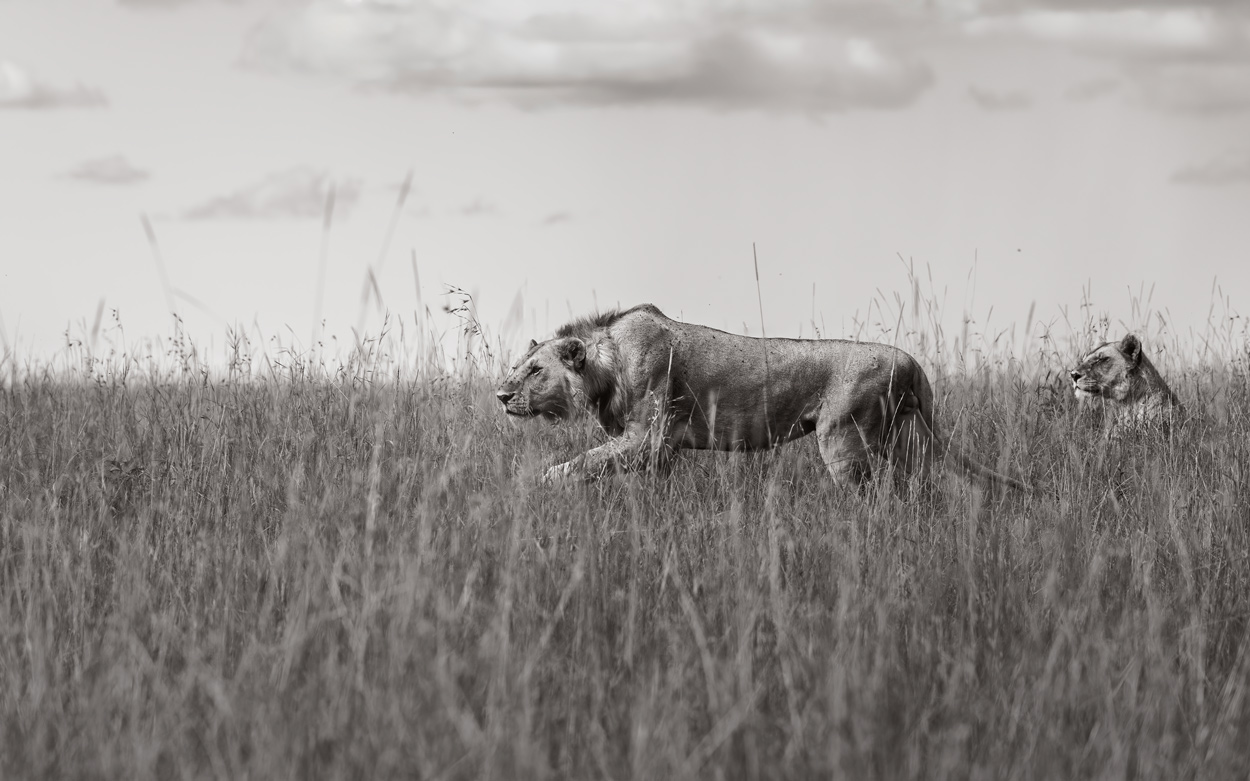
Look for patterns and rhythm
Many animals repeat behaviour. Birds may fly the same path to a nest. A kingfisher may return to the same perch. A heron may strike after a repeated pause. Mammals may follow the same trail, feeding direction, or social rhythm.
When you recognize a pattern, you can stop chasing the subject and start preparing for the image. This is when field craft becomes more important than speed.
Repeated perches and routes
If a bird returns to the same branch, do not keep moving after it. Compose for that perch, prepare your background, check the light, and wait for the return.
Feeding behaviour
Feeding animals often move with rhythm. Watch the interval between movements. If the subject pauses before striking, lifting its head, or changing direction, that pause becomes your warning sign.
Anticipate, then compose
Anticipation is not only about action. It is also about composition. Once you understand where the subject may move, you can leave space in the right direction, choose a cleaner background, and prepare for the best gesture.
Leave room for movement
If the subject is likely to fly, run, jump, or turn, leave space where the movement will happen. This makes the image feel more natural and avoids cutting the action too tightly.
Pre-focus when possible
If behaviour repeats, focus near the place where the action is likely to happen. This gives your autofocus less work to do when the moment arrives.
Prepare exposure before action
Do not wait for movement before checking exposure. Light can change quickly, especially at sunrise and sunset. Prepare your settings while the subject is calm, so you are ready when behaviour begins.
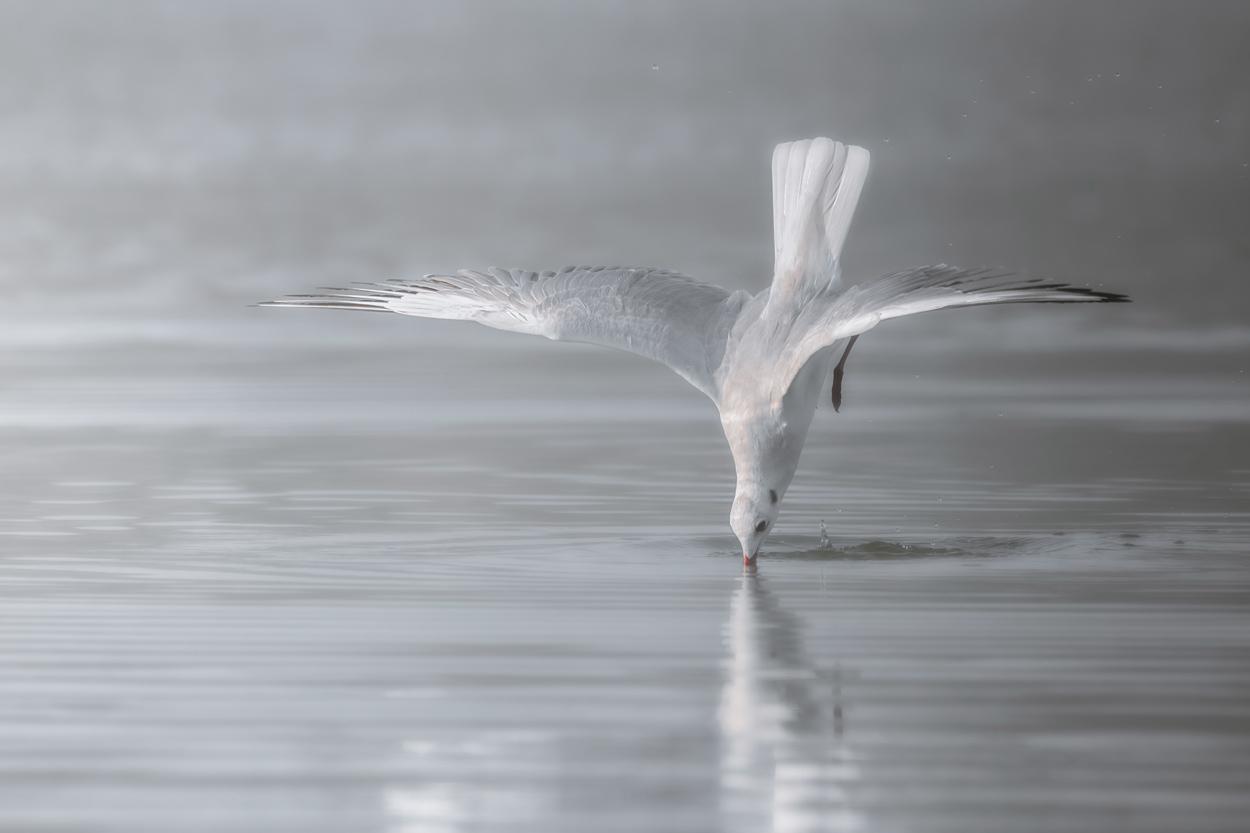
Respect the subject first
Reading behaviour also helps photographers understand when not to move closer. Stress signals, alert posture, repeated looking at the photographer, moving away, alarm calls, or interrupted feeding can all mean the photographer is too close.
A strong image should not come at the cost of the animal’s comfort, safety, or natural behaviour. Ethical distance often creates better photographs because the subject remains relaxed and behaves naturally.
Do not force behaviour
Chasing, flushing, baiting, surrounding, or pressuring wildlife may create action, but it does not create respectful photography. The best behaviour images come from patience, knowledge, and trust in the natural rhythm of the subject.
Learn warning signs
If the animal stops feeding, stares repeatedly, changes direction to avoid you, hides, calls, or becomes tense, give it more space. A missed photograph is better than a disturbed subject.
If your presence changes the behaviour in a harmful way, you are too close
A simple behaviour-based field workflow
Instead of entering the field and immediately photographing, slow the process down. Observation gives you information. Information gives you anticipation. Anticipation gives you better timing.
Quick checklist
- Watch the subject for repeated behaviour before taking the first frame.
- Look for body language that suggests movement or tension.
- Choose the cleanest background and leave room for likely action.
- Prepare shutter speed, focus mode, and exposure early.
- Wait for the gesture, interaction, or behaviour peak.
- Stop or move back if the animal shows signs of stress.
FAQ reading wildlife behaviour
Why is animal behaviour important in wildlife photography?
Understanding behaviour helps you anticipate movement, prepare your composition, and capture stronger moments instead of reacting too late.
How can I predict when a bird will take off?
Watch for signs such as leaning forward, body tension, wing adjustment, turning into the wind, or repeated looking in one direction.
Should I keep moving closer to get a better image?
Not always. If the animal becomes alert, stops feeding, changes direction, or watches you repeatedly, it may be better to stop or move back.
What is the best way to photograph natural behaviour?
Keep a respectful distance, stay patient, avoid forcing action, and allow the subject to continue its natural rhythm.
Is behaviour more important than camera settings?
Both matter, but behaviour often creates the moment. Settings only help you capture it once you are ready.