Why light matters more than location
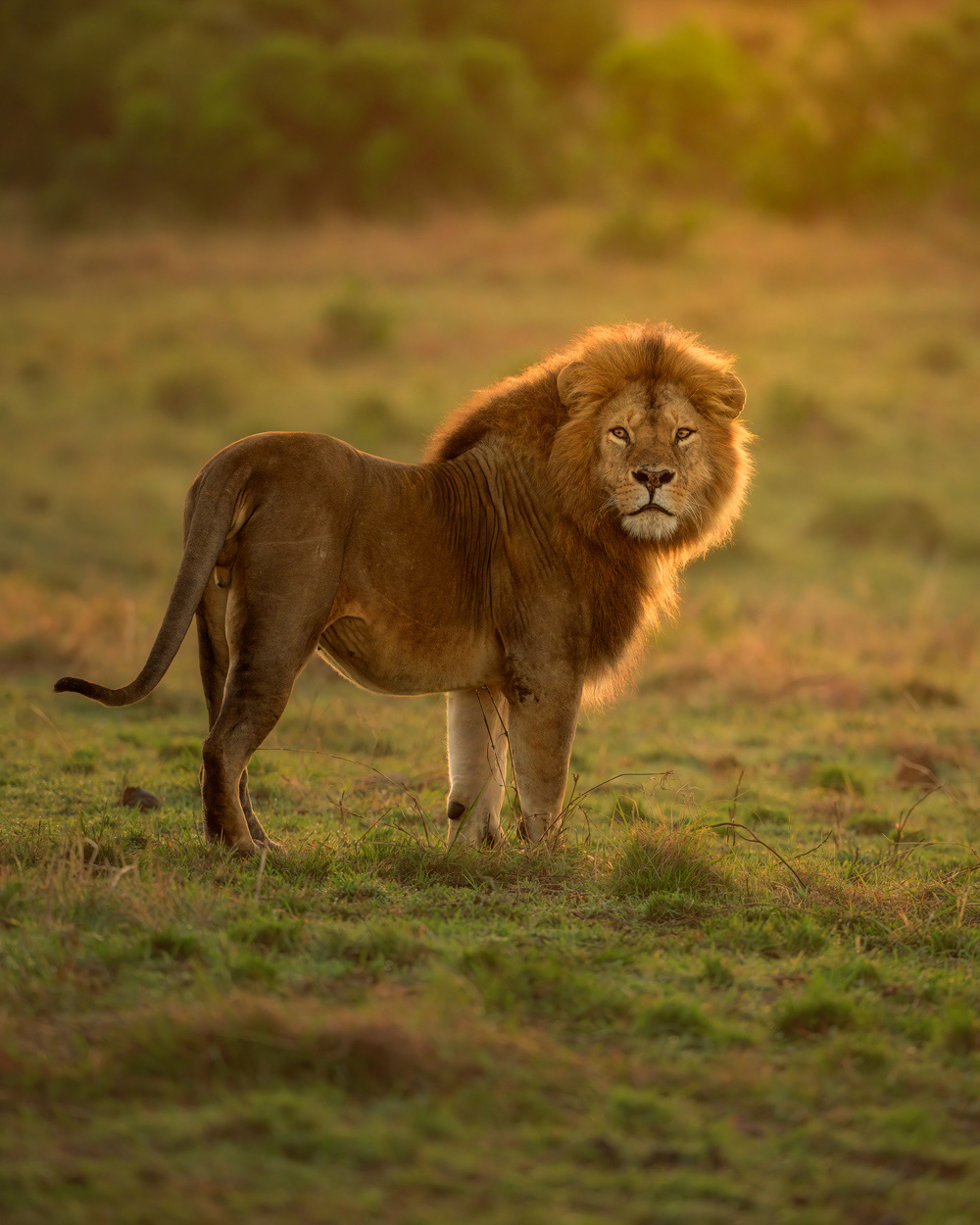
A beautiful location does not always create a strong photograph. A rare subject does not always create a strong photograph. Light is often the element that decides whether the image feels ordinary or memorable.
Natural light shapes the subject, separates it from the background, creates atmosphere, and gives the photograph emotional direction. The same animal can look completely different in flat midday light, soft cloud light, warm sunrise, or dramatic backlight.
Light is not something that simply exists in the scene. It is something the photographer must read, choose, and use
The image may show the subject clearly, but without mood, separation, or atmosphere.
The image can carry warmth, drama, softness, mystery, elegance, or visual depth.
Golden hour is not only warm colour
Golden hour is popular because the sun is low and the light becomes warmer, softer, and more directional. For wildlife photography, this can help create separation, depth, and a more refined mood.
Morning light
Morning light often feels gentle and fresh. Animals may be more active, the air may be cooler, and mist or dust can add atmosphere. This is one of the best times for quiet, elegant wildlife photographs.
Evening light
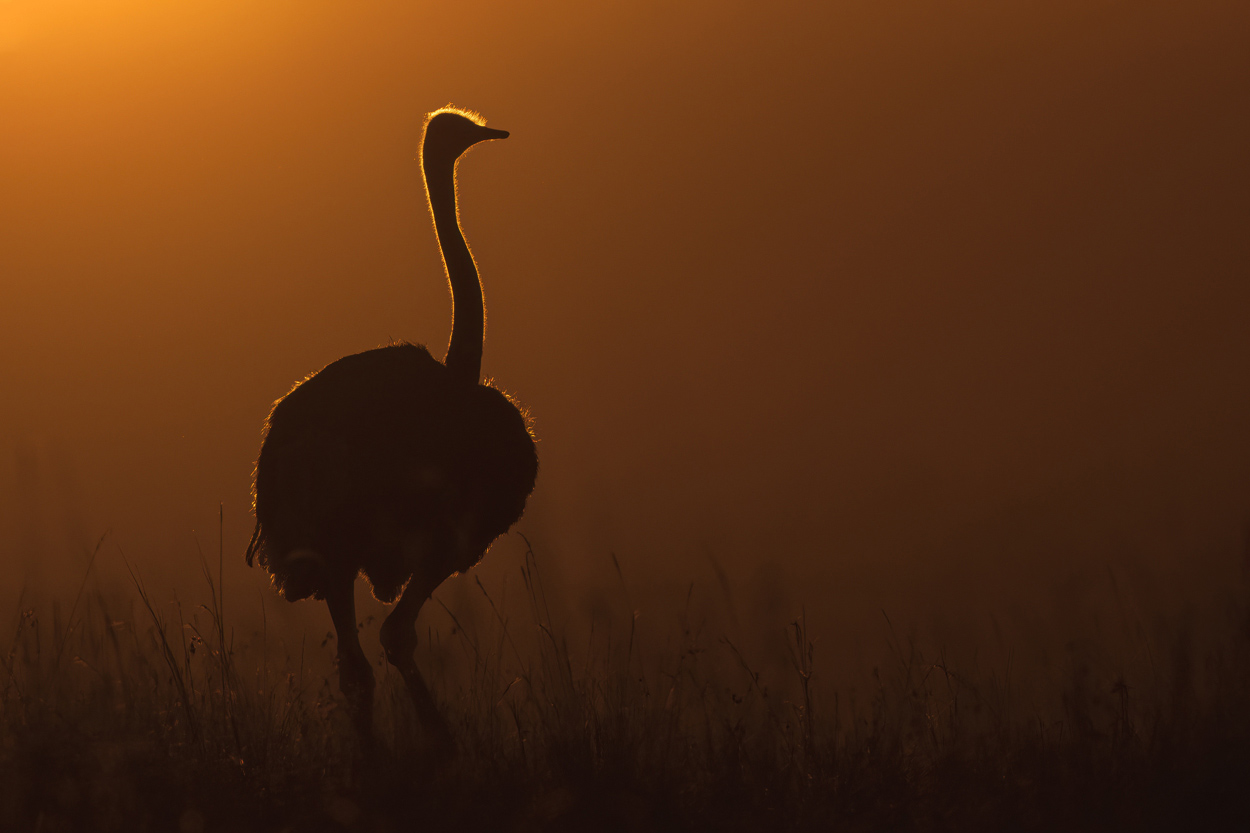
Evening light can feel warmer and more dramatic. It works beautifully for silhouettes, backlit subjects, rim light, and low-angle compositions.
Arrive before the light
Good light can disappear quickly. Arrive early enough to understand the subject, find the background, check the direction of light, and prepare before the best minutes arrive.
Understand the direction of light
The direction of light changes the entire feeling of the image. The same subject can become calm, dramatic, graphic, or mysterious depending on where the light comes from.
Front light
Front light illuminates the subject clearly and can be useful for detail, colour, and clean portraits. It is often safer, but it can feel flat if the light is too direct or too high.
Side light
Side light creates shape and texture. It can reveal form, feathers, fur, muscles, and small details. It also adds depth because one side of the subject falls into shadow.
Backlight
Backlight can create rim light, silhouettes, glowing edges, and atmosphere. It is one of the most expressive types of light, but it requires careful exposure and clean subject shape.
Top light
When the sun is high, shadows can become harsh and eyes may look dark. This light is more difficult, but it can still work for graphic compositions, high contrast scenes, or subjects in open shade.
Soft light and atmosphere
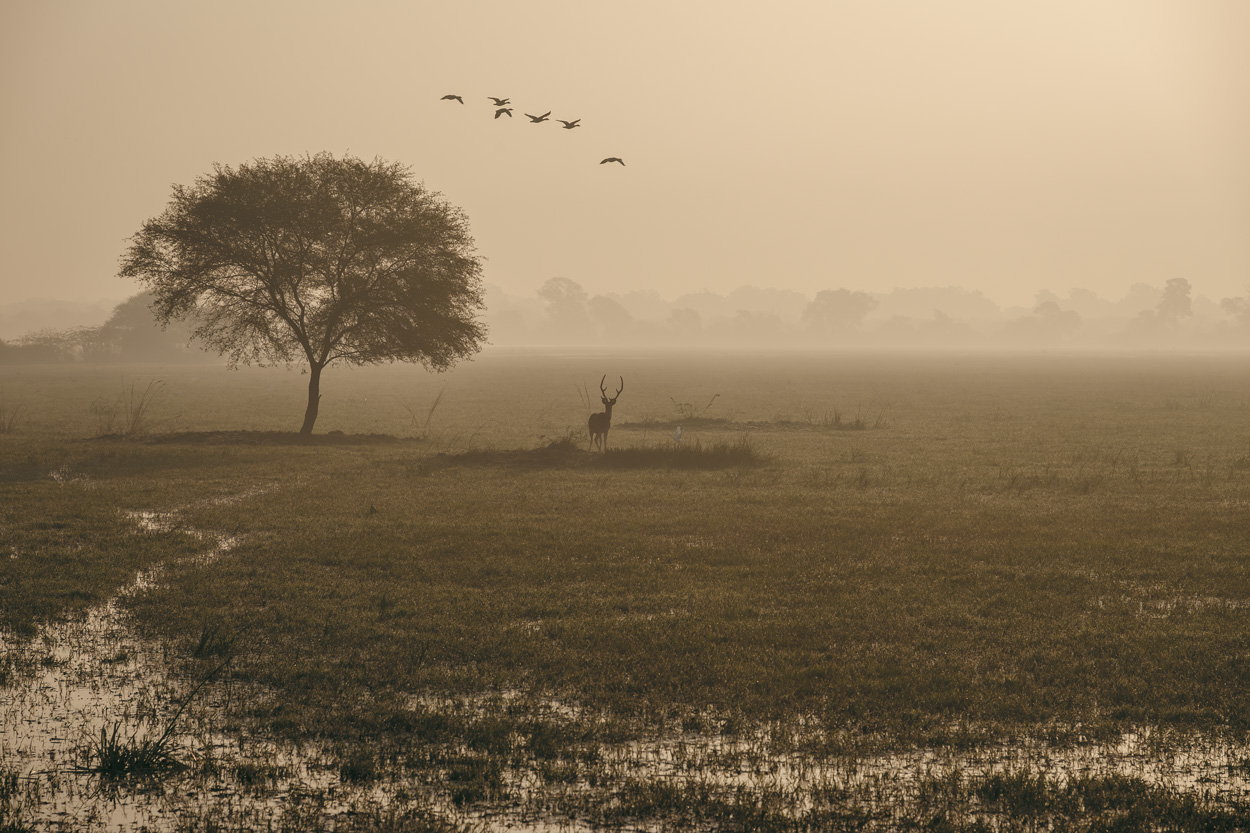
Clouds, fog, mist, dust, rain, and haze can soften the light and reduce contrast. This kind of light is excellent for subtle wildlife images, high key work, quiet portraits, and gentle colour palettes.
Cloudy light
Cloudy light can be beautiful when the background is clean. It removes harsh shadows and gives more detail in the subject. The challenge is to avoid flat images by looking for gesture, composition, and tonal contrast.
Fog and mist
Fog separates layers and simplifies the background. It can make wildlife images feel quiet, mysterious, and minimal. Expose carefully so the fog stays bright without losing the subject.
Dust and atmosphere
Dust can turn backlight into visible atmosphere. In deserts, plains, and dry environments, dust can add warmth, depth, and a painterly feeling to the frame.
What to do with harsh light
Harsh light is often difficult, but it is not always useless. Strong midday sun can create hard shadows, blown highlights, and busy contrast, but it can also create graphic shapes, high contrast scenes, and strong black-and-white images.
Look for shade
If the light is too harsh, look for subjects in open shade. Shade can reduce contrast and create a more controlled portrait.
Use contrast intentionally
Harsh light can work when the goal is graphic impact. Strong shadows, dark backgrounds, and bold shapes can be useful for low key images or dramatic compositions.
Wait for behaviour
If the light is not ideal, behaviour becomes even more important. A strong gesture, interaction, or unusual moment can sometimes overcome less perfect light.
Expose for the mood
Exposure is not only technical. It is creative. The same scene can feel bright and airy, dark and dramatic, soft and neutral, or graphic and bold depending on how you expose it.
Protect highlights
Bright feathers, pale fur, water reflections, and backlit edges can clip easily. Watch your highlights carefully, especially in warm low-angle light.
Use exposure compensation
In bright scenes, such as high key images, you may need positive exposure compensation. In silhouette or low key scenes, you may need negative exposure compensation to protect the mood.
Check the histogram
The histogram helps you see whether the image is too bright, too dark, or losing important detail. For natural light work, it is especially useful when the camera screen is difficult to judge outdoors.
Am I exposing to record the subject, or am I exposing to express the mood?
A simple natural-light field workflow
When you arrive in the field, look at light before looking only for subjects. The best subject in poor light may not become the best photograph. The right light can turn an ordinary subject into a memorable image.
Quick checklist
- Check the direction of light before approaching the subject.
- Choose whether front light, side light, or backlight supports your image.
- Look for clean backgrounds that match the light.
- Watch highlights on bright subjects and reflective areas.
- Use exposure compensation when the camera meter is fooled.
- Wait for the subject to enter the best light rather than chasing every movement.
FAQ natural light in wildlife photography
What is the best light for wildlife photography?
Golden hour is often the most pleasing, but the best light depends on the mood you want. Soft cloud light, fog, backlight, and even harsh contrast can all work when used intentionally.
Is morning or evening better for wildlife photography?
Both can be excellent. Morning often gives cooler, softer, quieter conditions, while evening can provide warmer and more dramatic light.
How do I photograph wildlife in harsh midday light?
Look for shade, simplify the background, use contrast intentionally, or focus on behaviour and graphic shapes rather than soft portrait light.
Should I always shoot with the sun behind me?
No. Front light is useful, but side light and backlight can create more depth, drama, atmosphere, rim light, and silhouette opportunities.
How do I expose for backlit wildlife?
Decide whether you want detail or silhouette. Protect highlights, check the histogram, and use exposure compensation or manual exposure to control the mood.