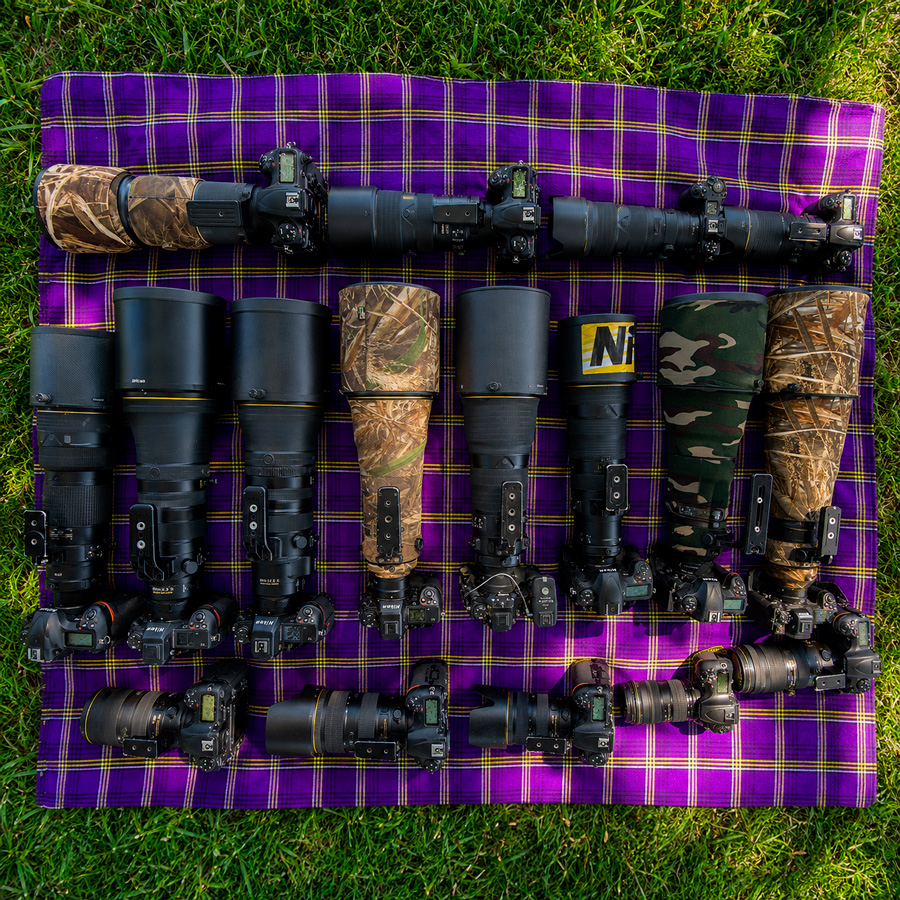
The famous question
Every photographer knows this question: “This image is amazing — what camera did you use?” It is a natural question because gear is visible, easy to compare, and easy to name. But the photograph itself is made from many invisible decisions.
The camera records the image. The photographer creates the conditions for the image to happen. That includes choosing the location, understanding the subject, reading the light, waiting for behaviour, composing the frame, and knowing when to press the shutter.
Gear can make some images easier, but it does not replace the eye, patience, and field craft behind the photograph
Focuses, exposes, records detail, freezes action, and gives technical possibilities.
Sees the light, chooses the moment, reads behaviour, controls composition, and gives meaning.
Where gear truly helps
It would be wrong to say gear does not matter at all. In wildlife photography, gear can make a real difference because subjects are often far away, fast, unpredictable, or active in difficult light.
Reach
A long lens gives you working distance. It helps you photograph wildlife without disturbing the subject, and it allows you to frame smaller animals or distant birds more effectively.
Autofocus
Modern autofocus systems can help track birds in flight, fast mammals, and unpredictable movement. This can increase the number of technically sharp frames, especially in action situations.
Low light and high ISO
Wildlife often becomes active early in the morning or late in the evening. A camera with good high ISO performance can help when the light is beautiful but limited.
Frame rate and buffer
Fast burst shooting can help capture small changes in wing position, expression, or movement. But burst speed alone is not enough. You still need to know when the moment is likely to happen.
Ergonomics and reliability
Comfort matters in the field. A camera that feels natural in your hand, has good battery life, weather sealing, and controls you can use without looking can help you respond faster.
What gear cannot do
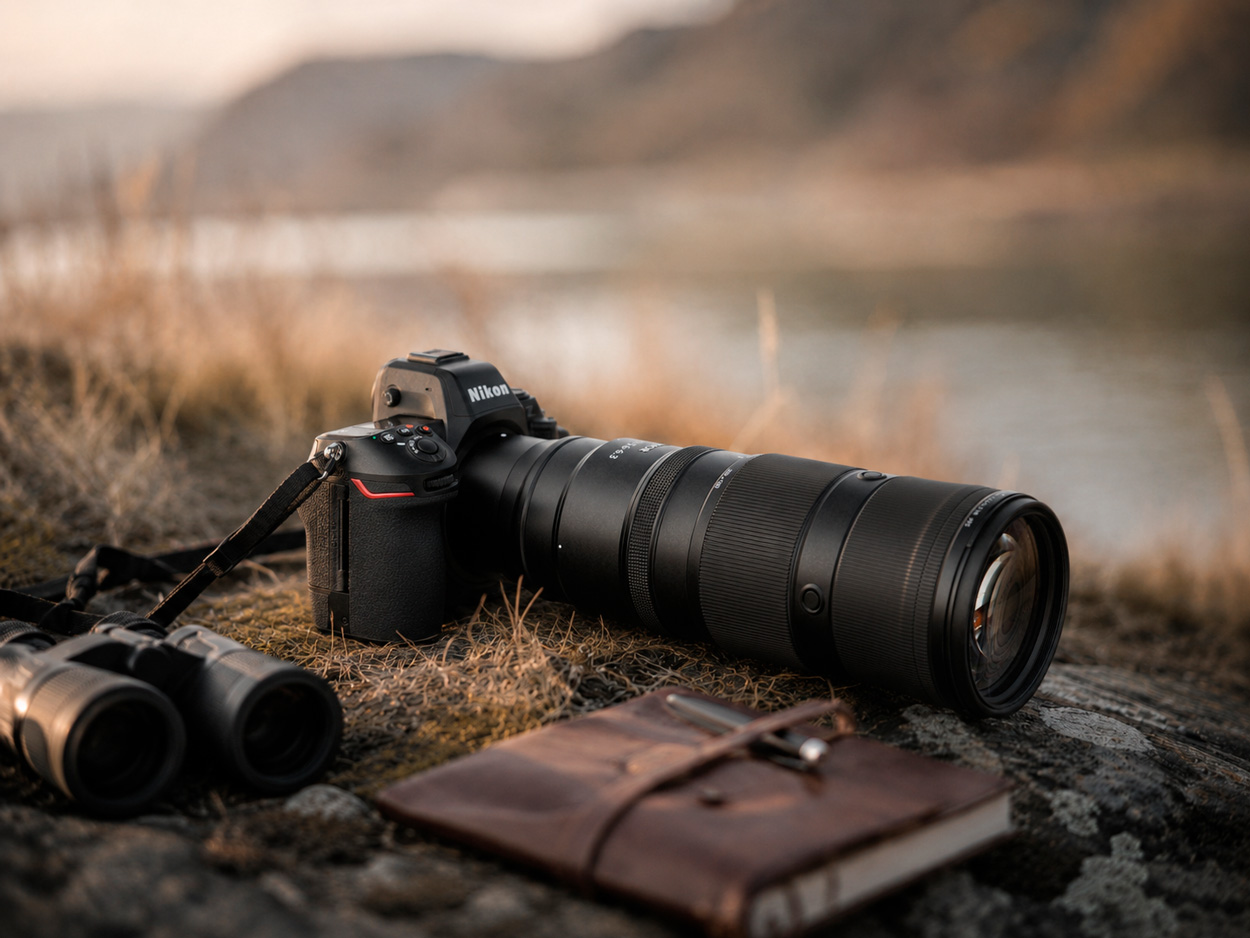
Gear can improve technical possibilities, but it cannot create vision. It cannot decide where to stand, when to wait, what to remove from the frame, or why the image should exist.
Gear cannot read light
A camera can measure exposure, but it cannot decide whether the light feels quiet, dramatic, soft, graphic, or emotional. That choice belongs to the photographer.
Gear cannot understand behaviour
A fast camera may capture action, but the photographer must anticipate the action. Understanding animal behaviour is often more important than simply holding the shutter down.
Gear cannot compose with feeling
The frame is a creative decision. Negative space, subject placement, background choice, and timing are not camera specifications. They come from seeing.
Gear cannot create patience
Some of the strongest wildlife images come after long waiting. Gear may be ready, but the photographer must be willing to stay, observe, and respect the subject.
An expensive camera can make a sharp image of a weak moment. It cannot make the moment meaningful
The reality in wildlife photography
Wildlife photography is one of the genres where gear does matter more than usual. A small bird far away, a fast raptor, or a shy mammal in low light can be difficult with limited equipment. But even here, gear is only part of the answer.
A photographer with modest gear but strong field craft can still create powerful images by working with accessible subjects, better light, clean backgrounds, and patient observation. A photographer with expensive gear but no patience may still miss the image.
Better gear expands possibilities
It can open doors to faster action, lower light, more reach, and better technical quality. This is especially useful for birds, mammals, and distant subjects.
Better field craft improves every camera
Understanding light, behaviour, ethics, and composition improves your images regardless of the camera. This is why learning field craft should come before chasing every new upgrade.
When upgrading makes sense
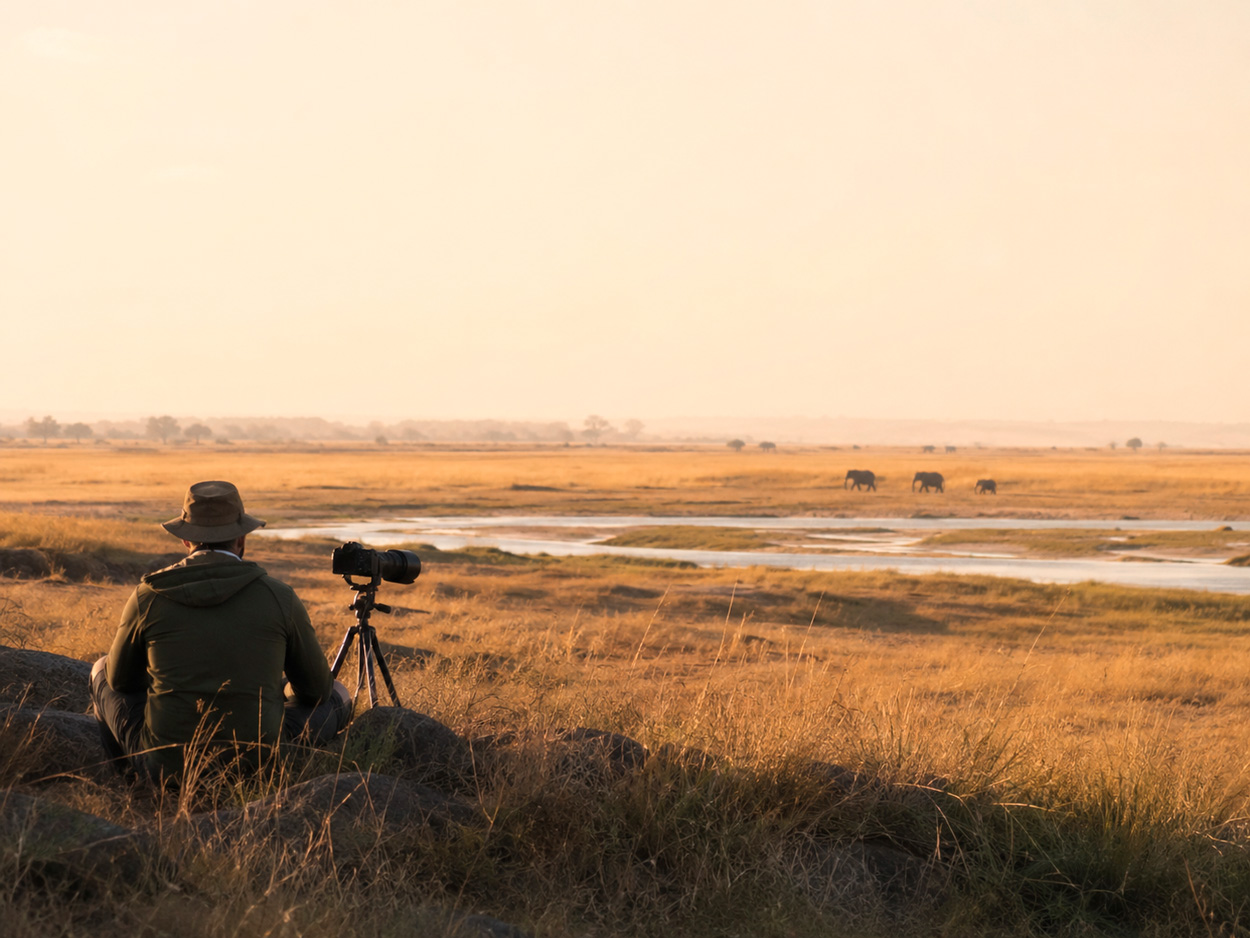
Upgrading gear is not wrong. It becomes useful when the upgrade solves a real limitation you repeatedly face in the field, not when it is only a reaction to another photographer’s equipment.
Before buying new gear, ask
- What specific problem will this solve?
- Can better technique solve the same problem?
- Will this help my photography style or only my specifications?
- Do I already understand my current camera deeply?
- Would the money be better spent on travel, printing, learning, or time in the field?
My honest answer
When someone asks me, “What gear did you use?” I understand the curiosity. Gear is part of the story, and I am happy to share it. But the fuller answer is that the gear was only the tool that recorded the image.
The photograph also came from the location, the light, the waiting, the subject behaviour, the background, the decision to frame it a certain way, and the editing choices afterward. Without those things, even the best gear would not create the same image.
Yes, gear matters. But vision, patience, light, and field craft matter more
The best camera is not always the most expensive one. It is the one you understand so well that it disappears in your hands, allowing you to concentrate on the subject, the light, and the moment.
FAQ does gear matter?
Does gear matter in wildlife photography?
Yes, especially for reach, autofocus, low light, and action. But gear alone does not create strong images. Field craft, timing, light, and composition are essential.
Can beginners take good wildlife photos with basic gear?
Yes. Beginners can create strong images by choosing accessible subjects, working in good light, simplifying backgrounds, and learning animal behaviour.
What matters more than camera gear?
Light, subject behaviour, timing, composition, patience, ethical distance, and the photographer’s ability to recognize a meaningful moment.
When should I upgrade my camera or lens?
Upgrade when your current gear is repeatedly limiting a specific type of work and you clearly understand what the new gear will solve.
Why do people always ask what gear was used?
Gear is easy to identify and compare. The invisible parts of photography, such as patience, field craft, light, and timing, are harder to see but often more important.