What is high key photography?
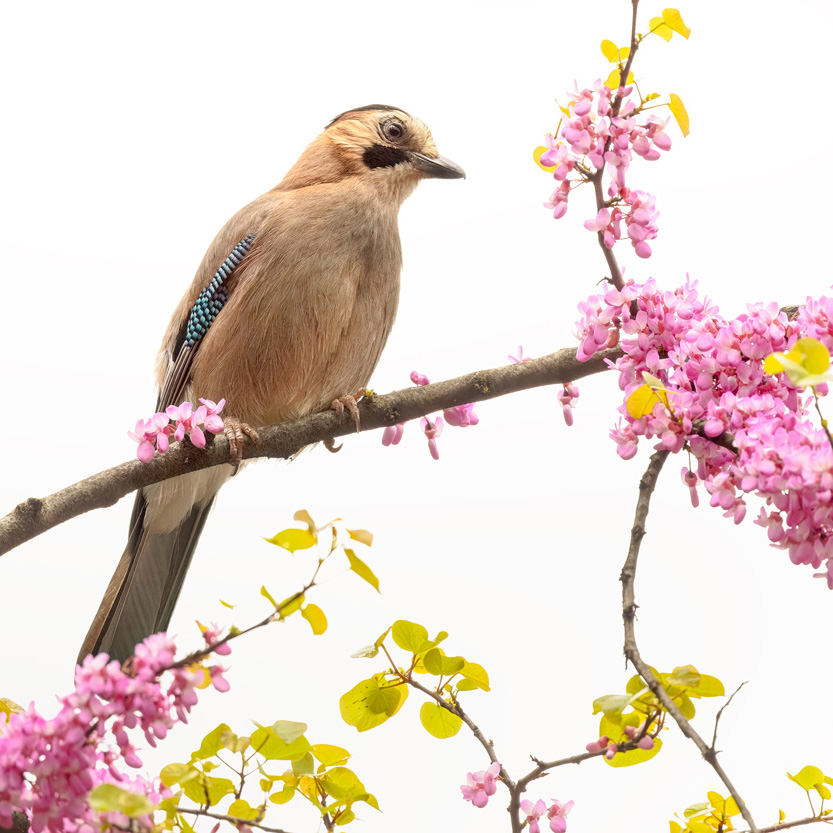
High key photography uses a bright tonal range to create a light, airy, and minimal image. In nature and wildlife photography, the technique often means allowing the background to become white or near white while keeping detail in the animal.
The result feels clean and quiet. Instead of showing every detail in the environment, the photograph reduces the scene to shape, gesture, and subject presence.
Expose for the subject, then let the background become bright enough to disappear
Choosing the right subject
The subject is the first important decision. Some animals naturally suit a high key treatment because their form or colour works well against a bright background.
Light-coloured subjects
Birds and mammals with light fur or feathers can work beautifully. Egrets, swans, flamingos, snowy owls, and pale mammals often sit naturally inside a bright visual atmosphere.
Dark subjects
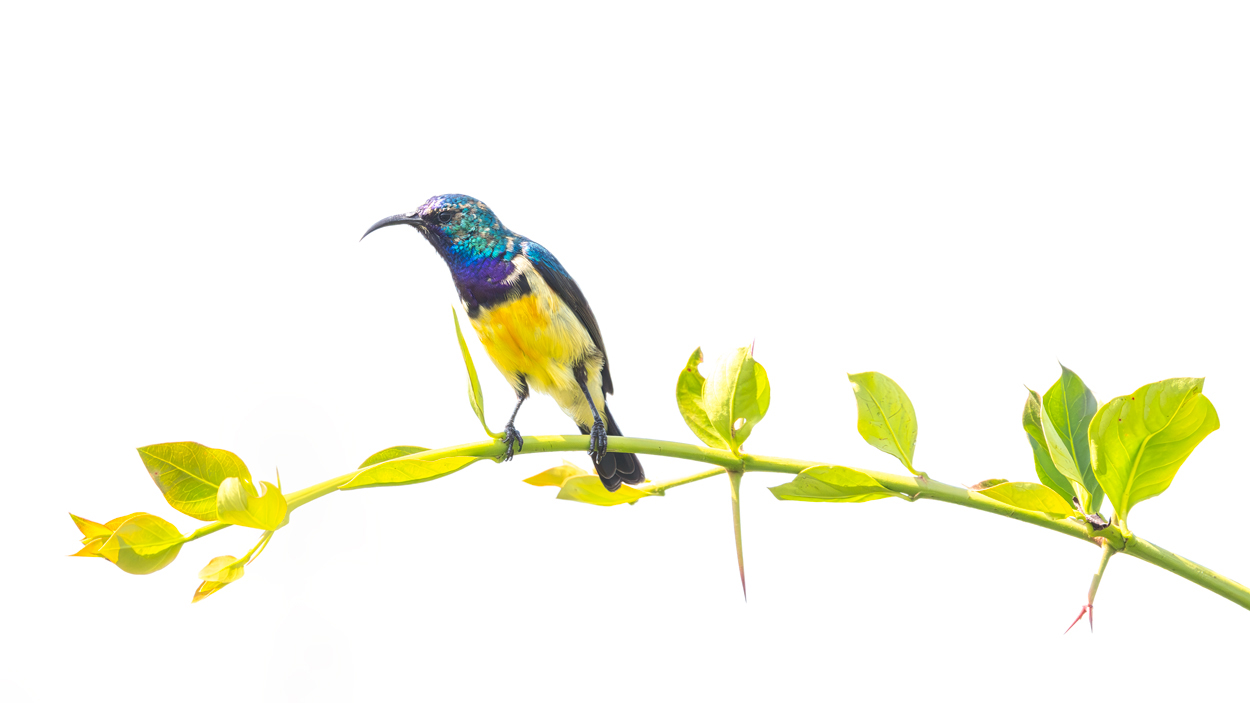
Dark animals can also create strong high key images. A black bird, a dark horse, or a giraffe against a bright sky can produce a bold graphic result. In this case, the main challenge is to preserve enough texture and shape in the subject.
Composition in high key photography
Because the background is simplified, the composition becomes more important. The subject placement, empty space, and body gesture must carry the image.
Use negative space
Negative space gives the animal room to breathe. It can make the photograph feel calm, minimal, and more emotional. Avoid placing the subject too tightly unless the graphic shape is strong enough to support it.
Simplify the background
Clean skies, fog, snow, pale water, and soft distant backgrounds are useful. Avoid dark branches, rocks, or busy textures that may turn into distracting grey shapes after the background is brightened.
Technical approach in the field
The goal is to keep the image bright while protecting the main subject. You are not trying to make every tone white. You are trying to control what becomes white.
Spot metering
Spot metering can be useful when you want to read the light from the animal and ignore the bright background. Meter from the subject, then add positive exposure compensation until the background becomes white or near white.
Matrix or evaluative metering
Matrix metering can also work, especially when the light is even. The camera may try to darken the scene because the background is bright, so positive exposure compensation is usually needed.
Start with positive exposure compensation, then adjust by watching the highlight clipping and subject detail
Use the histogram carefully
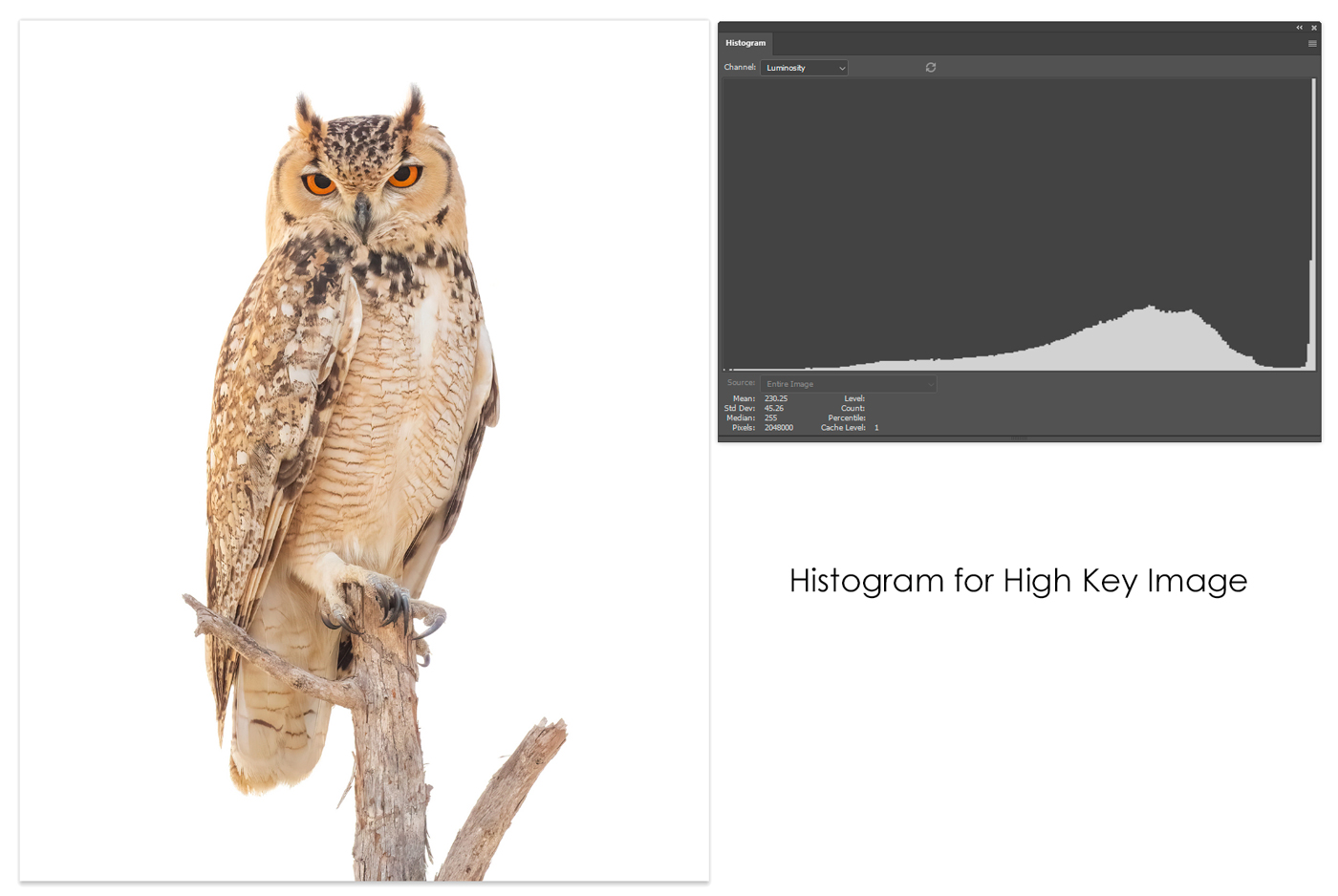
For high key images, the histogram should often lean strongly to the right. That means most tones are bright. A peak touching the far-right edge can be acceptable when it represents the clean background.
The important part is the subject. Make sure the animal does not lose important detail unless you intentionally want a silhouette or graphic shape.
Quick workflow
- Find a clean, bright background such as fog, sky, snow, or pale water.
- Place the subject with enough negative space around it.
- Meter from the subject or use matrix metering with exposure compensation.
- Add positive exposure compensation gradually.
- Check the histogram and protect important subject detail.
- Shoot RAW to keep more editing flexibility.
FAQ high key wildlife photography
What is high key photography in wildlife?
It is a bright, minimal style where the background is intentionally rendered white or near white, helping the animal stand out without distraction.
What settings work best for high key wildlife images?
Positive exposure compensation is often the key adjustment. Many scenes need +2, +3, or more, depending on the light, subject, and background.
Do I need flash for high key wildlife photography?
Usually no. Most high key wildlife images can be made with natural light, especially against fog, snow, pale water, or bright sky.
Which animals are best for high key images?
Light subjects such as egrets, swans, and snowy owls are strong choices, but dark subjects can also work when you want a bold graphic look.
Should the histogram touch the right edge?
It can touch the right edge when the clipped area is only the background. The subject should still keep the detail you want to preserve.